EIN Civil Society Briefing December 2026 – Türkiye, Switzerland, and the United Kingdom
/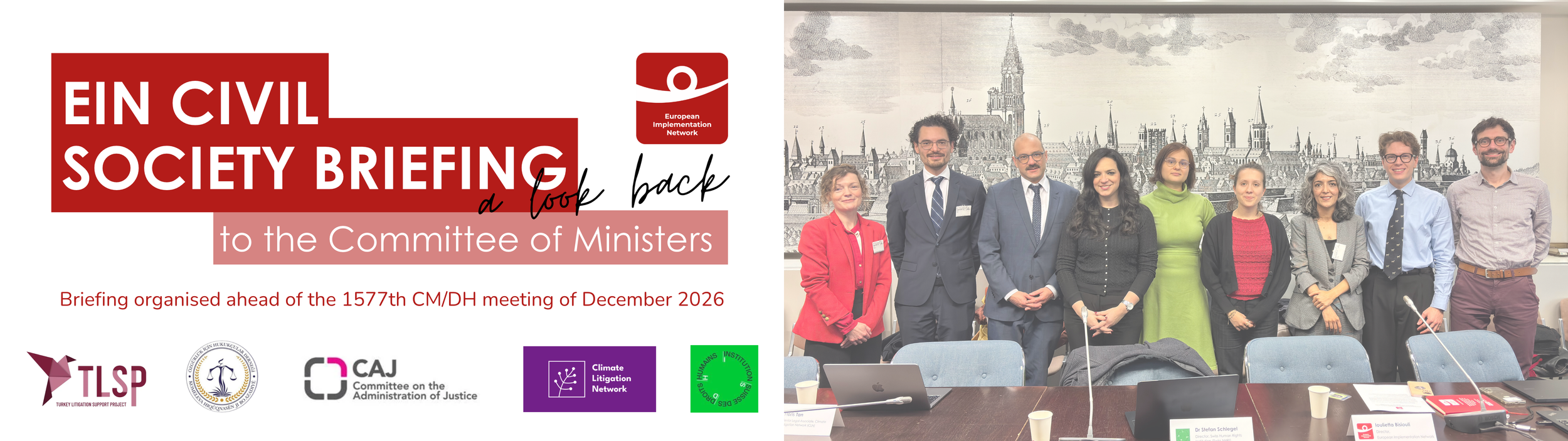
On November 20th, 2026, EIN held its latest civil society briefing for Permanent Representations of the Council of Europe, ahead of the 1577th Committee of Ministers Human Rights Meeting which will be held from 1st to 3rd December 2026. The briefing focused on the following cases:
McKerr v. the United Kingdom, by Dr Roisin Devlin, Senior Legal and Policy Officer, Committee on the Administration of Justice (CAJ);
Gurban v. Türkiye group of cases, by Nina Keese, Legal Officer, Turkey Human Rights Litigation Support Project (TLSP) and Rengin Ergül, Lawyer, Association of Lawyers for Freedom (Özgürlük için Hukukçular Derneği);
Verein Klimaseniorinnen Schweiz v. Switzerland, by Dr Stefan Schlegel, Director, Swiss Human Rights Institution and Dr Floris Tan, Senior Legal Associate, Climate Litigation Network (CLN).
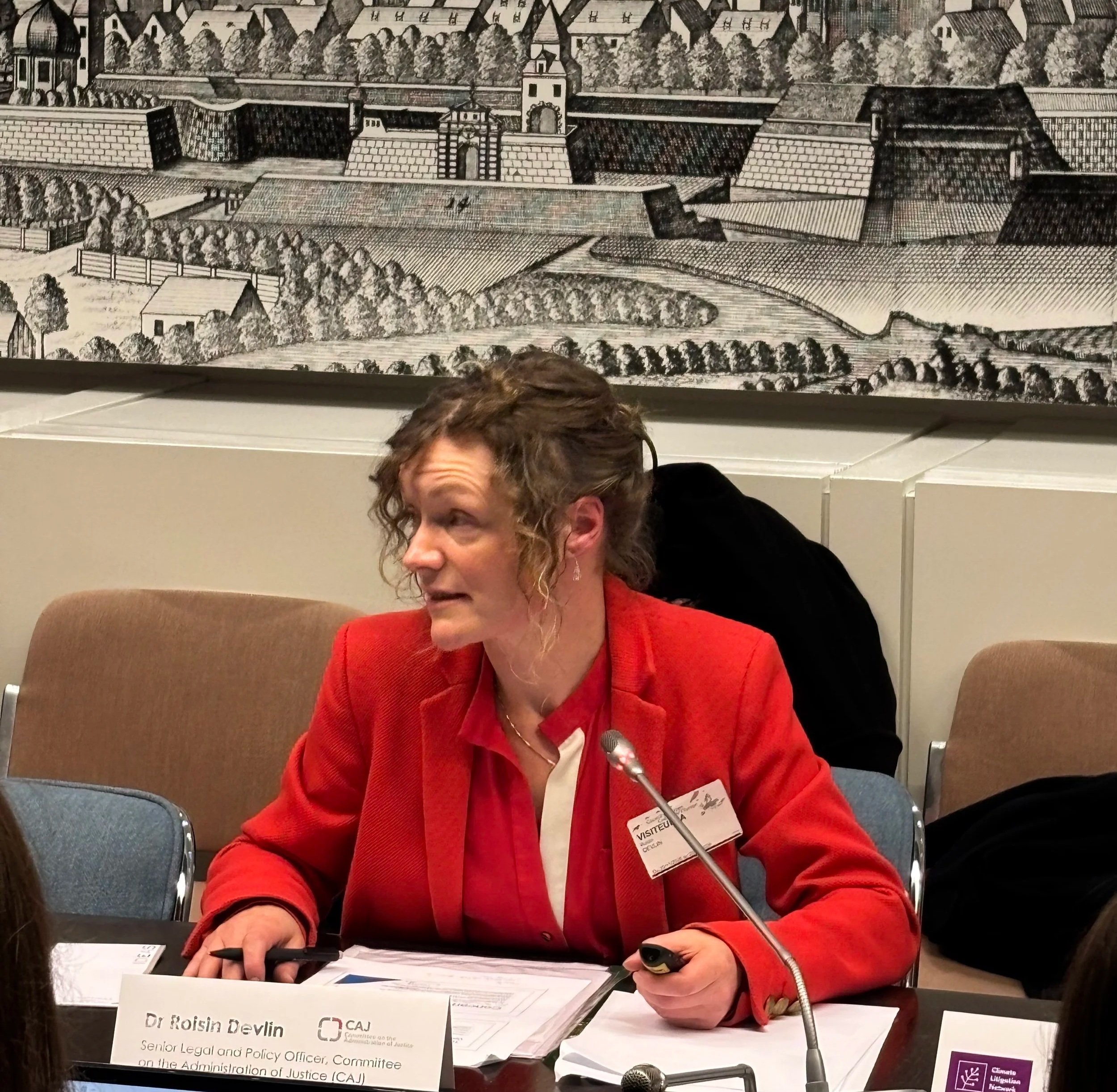
This group of cases concerns investigations into the deaths of the applicants’ next-of-kin in Northern Ireland in the 1980s and 1990s, either during security force operations or in circumstances giving rise to suspicion of collusion in their deaths by security force personnel. The Court found various combinations of the following shortcomings in the investigations into the deaths: lack of independence of investigating police officers; lack of public scrutiny or information to victims' families about the reasons for decisions not to prosecute; defects in the police investigations; limitations on the role and scope of the inquest procedure; absence of legal aid for the representation of the victims’ families; and delays in inquest proceedings (procedural violations of Art. 2).
Status of implementation: pending leading case, under enhanced supervision procedure
Final judgment date: 04/08/2001 (25 years and 2 months)
Recommendations for the implementation of McKerr v. the United Kingdom
Concerning McKerr v. the United Kingdom, the Committee on the Administration of Justice respectfully invites the Committee of Ministers to request the British authorities to:
Ensure the Patrick Finucane Inquiry has access to the resources necessary for its effective fundtioning;
Include an explicit clause in the Troubles Bill requiring Legacy Commission investigations are ECHR compliant;
Ensure that there is an independent process for appointments to the Legacy Commission, and that Judicial Panel Members are appointed by the Northern Ireland Judicial Appointments Commission;
Require that disclosure restrictions are limited to those necessary to ensure human rights protection; and subject to independent oversight;
Reconsider the provision requiring Attorney General consent for prosecution.
The full extent of the Committee on the Administration of Justice’s arguments and recommendations can be found in their two Rule 9.2 communications submitted ahead of the December 2026 CM/DH:
Gurban v. Türkiye group of cases
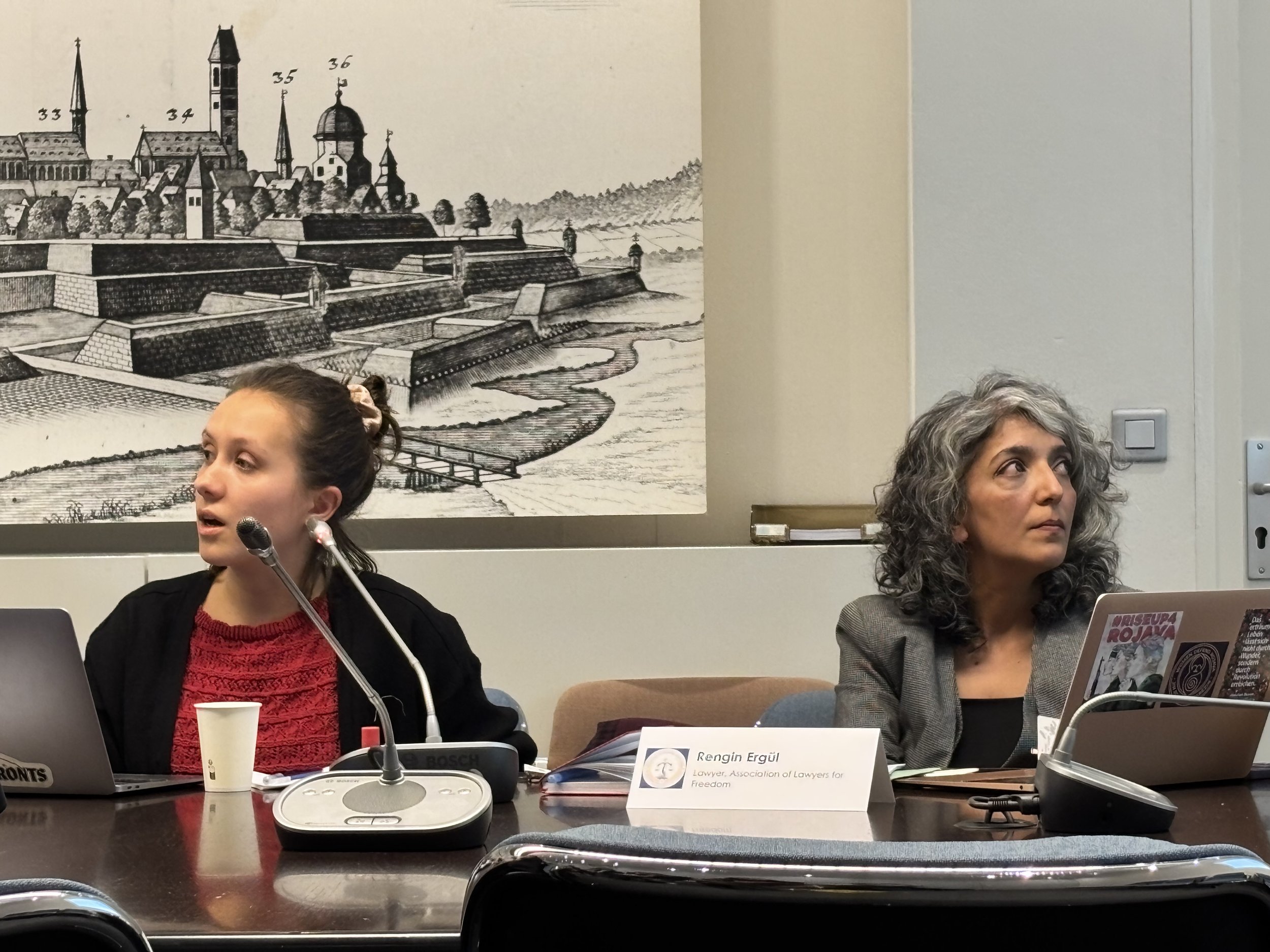
This group of cases concerns violations of the prohibition of inhuman or degrading punishment on account of the aggravated life sentences imposed on the applicants, who were convicted of crimes within a terrorist organisation against State security, the constitutional order or national defence, providing no possibility to apply for review and thus no prospect of release (violation of Art. 3). The Court stressed that its finding could not be understood as requiring the applicants to be given the prospect of imminent release, but that the national authorities are required to put in place a mechanism for review after a certain minimum term in the light of the standards set out in the Court’s case law.
Status of implementation: pending leading case, under enhanced supervision procedure
Final judgment date: 15/03/2016 (10 years and 8 months)
Recommendations for the implementation of the Gurban v. Türkiye group of cases
Concerning the Gurban v. Türkiye group of cases, the Turkey Litigation Support Project, the Association of Lawyers for Freedom and their respective co-submitting organisations request the Committee of Ministers to call on the Turkish authorities to:
Submit, by a fixed deadline, a revised action plan containing draft legislation to amend Article 107(16) of Law No. 5275, Article 17(4) of Law No. 3713 and any other provision that renders aggravated life sentences irreducible. The plan should name the authorities in charge and set out the envisaged dates and stages up to the entry into force and implementation of the legislation;
Establish a Convention-compliant review mechanism, conducted by a judicial authority or under judicial oversight, with a first review within 25 years and periodic reviews thereafter. The mechanism should apply to all categories of prisoners, rest on objective criteria for assessing progress towards rehabilitation that are known from the outset, and offer full procedural safeguards, including a remedy against decisions refusing release.
Guarantee, through transitional provisions, that persons already serving aggravated life sentences can access the new mechanism in practice, since a mechanism limited to future convictions would not remedy the violation.
Provide regularly updated, disaggregated and anonymised data on persons serving aggravated life sentences, persons excluded from release and persons on trial, with the relevant dates. The data should also cover prisoners expected to be released under Law No. 7595, those excluded because their convictions predate 1 June 2005, and applications concerning aggravated life imprisonment pending before the Constitutional Court, with the time each has been pending.
Ensure that the reform is prepared transparently and with the involvement of bar associations, civil society and independent experts.

The full extent of the Turkey Litigation Support Project, the Association of Lawyers for Freedom and their respective co-submitting organisations' arguments and recommendations can be found in their respective Rule 9.2 communications submitted ahead of the December 2026 CM/DH:
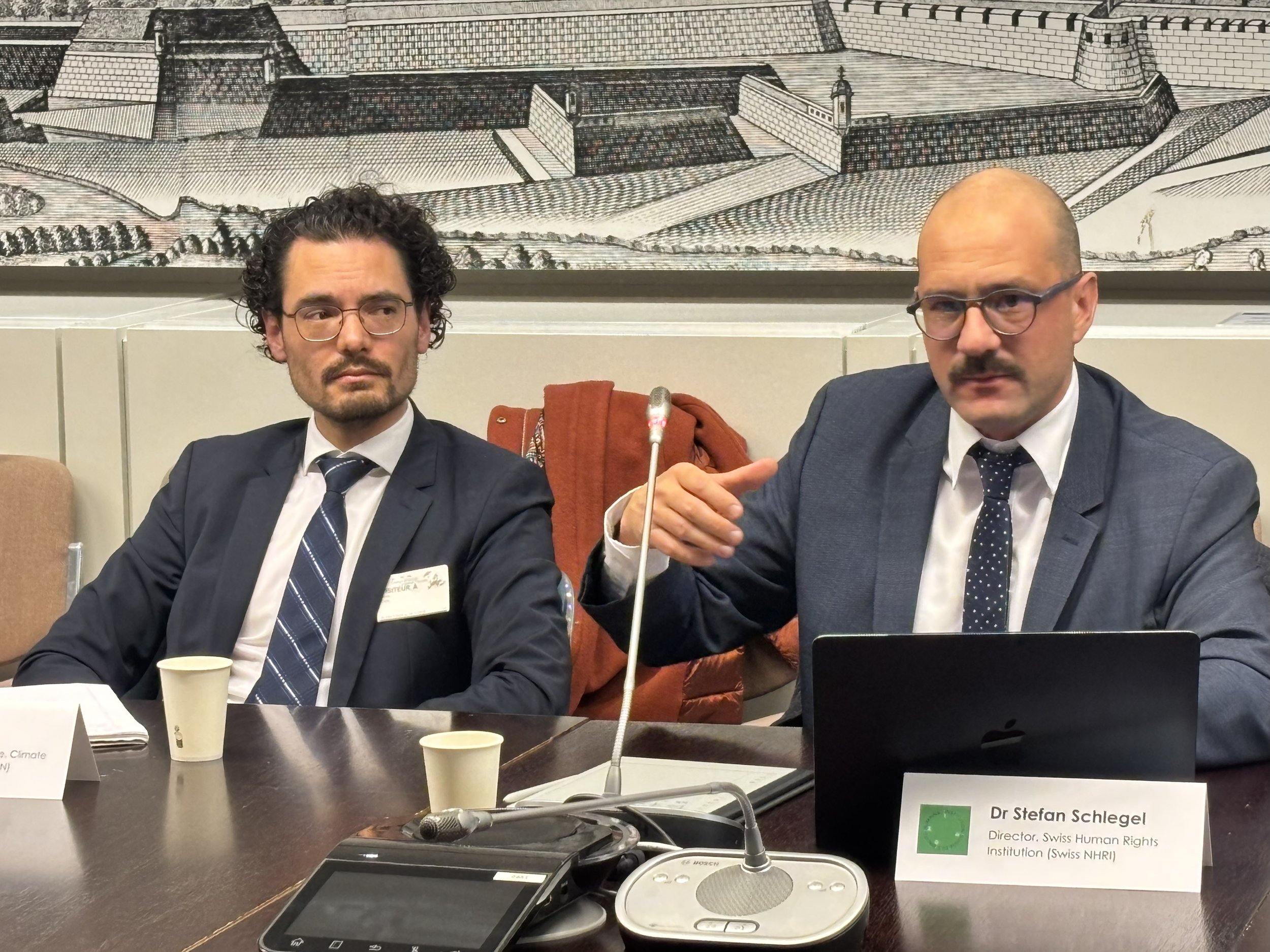
This case concerns the authorities’ failure to comply with the obligation to adopt and implement, regulations and measures to mitigate the existing and potentially irreversible, future adverse effects of climate change on the right to private and family life and home (violation of Art. 8) and the lack of access to a court by the applicant NGO with a complaint concerning the implementation of measures capable of mitigating the effects of climate change (violation of Art. 6§1).
Status of implementation: pending leading case, under enhanced supervision procedure
Final judgment date: 09/04/2024 (2 years and 7 months)
Recommendations for the implementation of Verein Klimaseniorinnen Schweiz and Others v. Switzerland
Concerning the Verein Klimaseniorinnen Schweiz and Others v. Switzerland case, the Swiss Human Rights Institution, Climate Litigation Network and Greenpeace International request the Committee of Ministers to:
Request the Swiss authorities to set a carbon budget, or an equivalent quantification, that represents a justified fair share of the global budget compatible with the 1.5°C limit, and to adopt targets and measures consistent with it;
Call on the authorities to adopt corrective measures that close the emissions gap projected for 2030, giving priority to ambitious domestic reductions;
Require that a national climate body be given a legal mandate for scientific advice and scrutiny, strong independence and adequate resources, and that the government respond publicly to its findings;
Urge the authorities to recognise expressly the standing of qualifying associations and to ensure that administrative practice reflects this recognition;
Seek procedural or legislative changes where needed to give this standing practical effect, supported by judicial guidance and training;
Continue supervising the case until both violations are remedied, reviewing compliance with Article 8 and access to court under Article 6, including after a climate body has been established.


The full extent of the Swiss Human Rights Institution, and of Climate Litigation Network and Greenpeace International's arguments and recommendations can be found in their respective Rule 9.2 communications submitted ahead of the December 2026 CM/DH: